Author: Eleni Ruffels

  • Olive Oil & Orange Cake

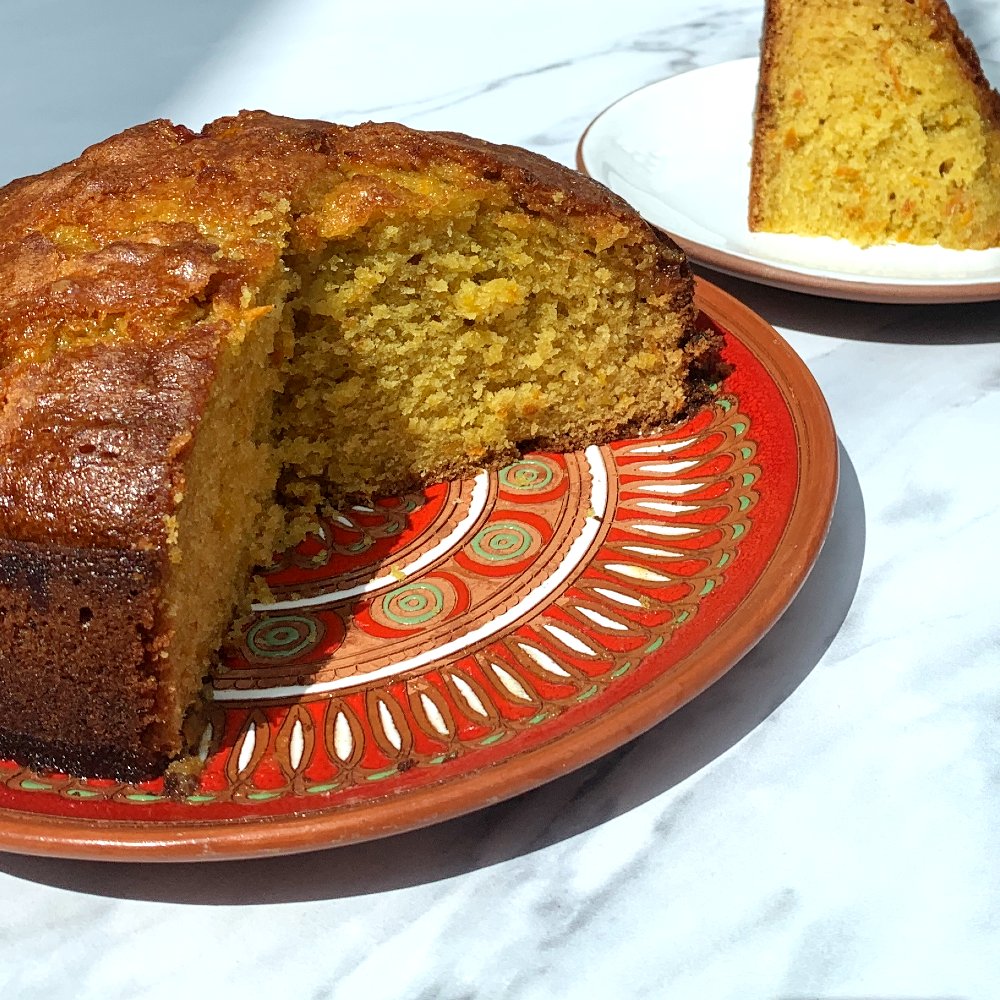
    Olive Oil & Orange Cake

    Growing up, one of my fondest memories was baking this delicious olive oil and orange cake using our own family extra virgin olive oil, creating a simple yet utterly delicious cake. This recipe is a family favorite, which I now bake for my sons.

    Ingredients:

    • 1 cup (240 ml) Extra Virgin Olive Oil
    • 1 cup (200 g) granulated sugar
    • 3 large eggs
    • Zest of 2 large oranges
    • 1/2 cup (120 ml) fresh orange juice (about 2 oranges)
    • 1 teaspoon vanilla extract
    • 2 cups (250 g) all-purpose flour
    • 1 teaspoon baking powder
    • 1/2 teaspoon baking soda
    • 1/2 teaspoon salt

    For the Glaze (optional):

    • 1 cup (125 g) powdered sugar

    • 2–3 tablespoons fresh orange juice

    • Orange zest for garnish

    Method:

    1. Prepare the Oven and Pan:

    • Preheat your oven to 180°C (350°F).

    • Grease a 9-inch (23 cm) round cake pan with olive oil and dust with flour. Alternatively, line it with parchment paper.

    2. Mix the Wet Ingredients:

    • In a large mixing bowl, whisk together the olive oil, sugar, and eggs until smooth and well combined.

    • Add the orange zest, orange juice, and vanilla extract, and mix until fully incorporated.

    3. Combine Dry Ingredients:

    • In a separate bowl, sift together the flour, baking powder, baking soda, and salt.

    4. Combine Mixtures:

    • Gradually add the dry ingredients to the wet mixture, stirring gently until just combined. Be careful not to overmix.

    5. Bake:

    • Pour the batter into the prepared pan and smooth the top.

    • Bake for 40–45 minutes or until a skewer inserted into the center comes out clean.

    • Let the cake cool in the pan for 10 minutes before transferring it to a wire rack to cool completely.


    6. Prepare the Glaze (Optional):

    • In a small bowl, mix the powdered sugar with orange juice until smooth and slightly runny.

    • Drizzle the glaze over the cooled cake and sprinkle with a little extra orange zest.


    7. Serve:

    • Slice and serve at room temperature, with a dusting of powdered sugar if desired.

    This cake is a true taste of tradition, blending the rustic flavors of olive oil and citrus into a moist, fragrant treat. Try it, and you’ll see why it’s been a favorite for generations!
  • Cold Extraction: Unlocking Extra Virgin Olive Oil

    Cold Extraction: Unlocking Extra Virgin Olive Oil

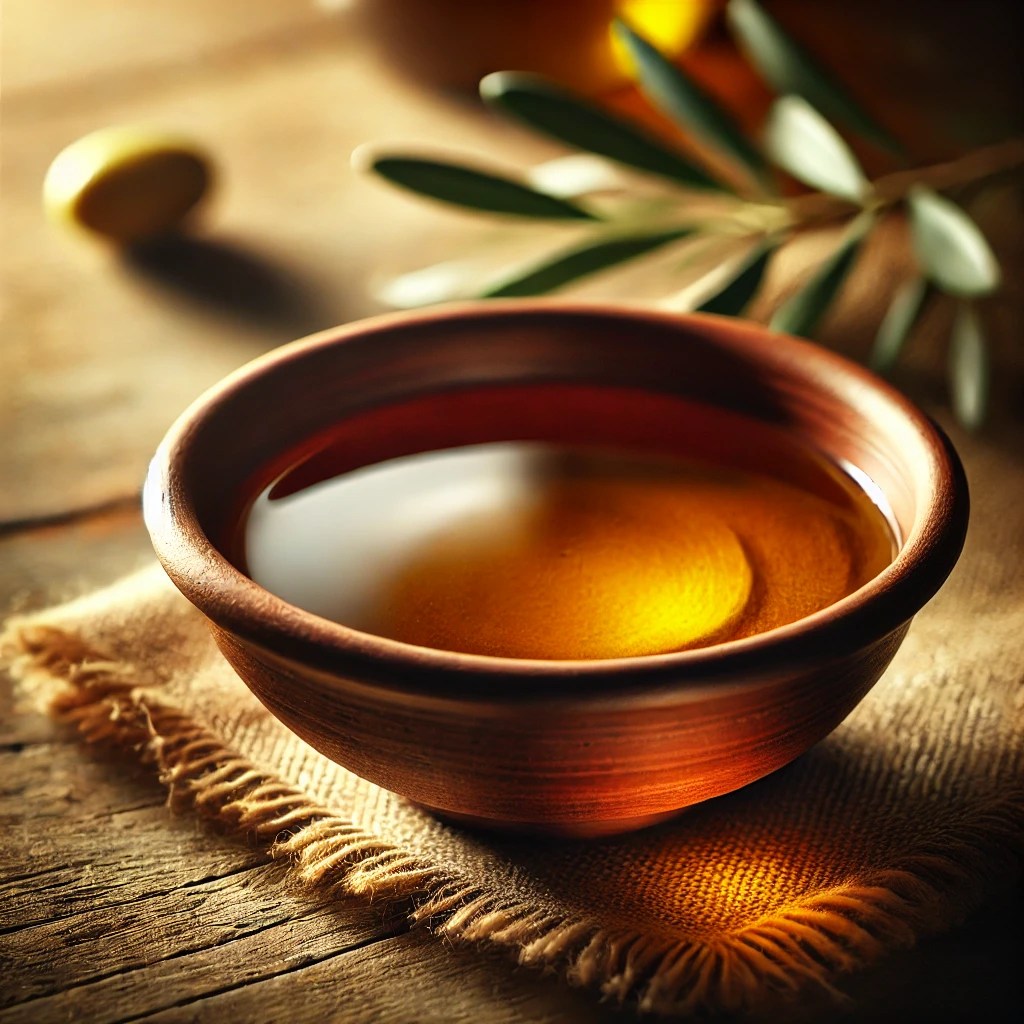
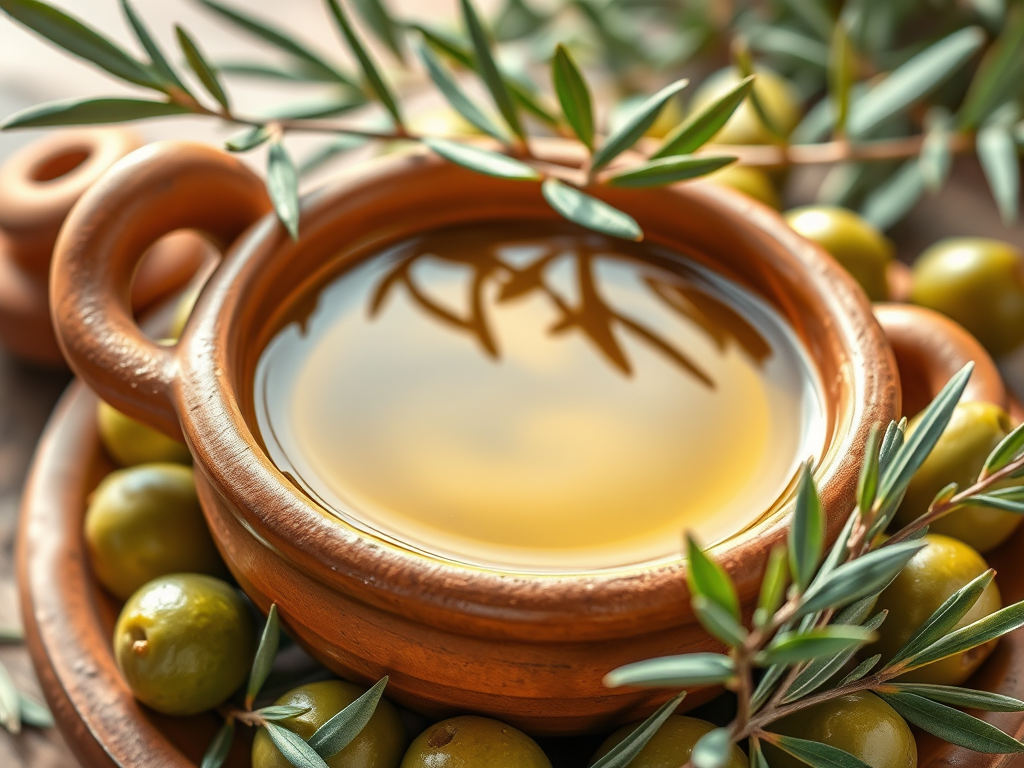
    The cold extraction process involves mixing the olive paste to release fine droplets of oil, which naturally bind together.

    Traditionally, this paste was created using a grindstone, similar to the first cold-pressed method. However, concerns over oxidation and the potential loss of aroma led to the adoption of centrifugation, which minimises these risks. Centrifugation is a process that uses rapid spinning (centrifugal force) to separate substances of different densities within a mixture. In the case of olive oil production, centrifugation is used to separate the oil from water and solid residues in the olive paste.

    The process works by spinning the mixture at high speeds, causing heavier components (like water and solids) to move outward while the lighter oil collects in the centre, allowing for efficient extraction. This method helps preserve the oil’s quality by reducing oxidation and maintaining its natural aroma and nutrients.

    In modern cold extraction, olives are ground in a mixer at approximately 27°C. The resulting paste is then processed through a centrifugal pump to separate the oil from the solid residues and water.

  • Nutritional Benefits of Greek Extra Virgin Olive Oil

    Nutritional Benefits of Greek Extra Virgin Olive Oil

    For centuries, Greek Extra Virgin Olive Oil (EVOO) has been at the heart of the Mediterranean diet, renowned for its rich flavour and incredible health benefits. This golden elixir isn’t just a kitchen staple—it’s a powerhouse of nutrition that supports overall well-being. Let’s explore why Greek EVOO is one of the healthiest oils you can include in your diet.

    Rich in Heart-Healthy Monounsaturated Fats

    Greek EVOO is packed with monounsaturated fats, which help reduce bad cholesterol (LDL) and increase good cholesterol (HDL). This balance supports cardiovascular health, reducing the risk of heart disease and stroke. In fact, studies have shown that the Mediterranean diet, rich in olive oil, can lower the risk of heart disease.

    Packed Full of Powerful Antioxidants

    Greek olive oil is abundant in polyphenols—natural antioxidants that help fight oxidative stress and inflammation in the body. These compounds, including oleocanthal and hydroxytyrosol, have been linked to reducing the risk of chronic diseases such as cancer and neurodegenerative disorders like Alzheimer’s.

    Supports Brain Function and Cognitive Health

    Regular consumption of high-quality EVOO has been shown to support brain health and cognitive function. The polyphenols in olive oil protect brain cells from oxidative damage and may even help slow cognitive decline associated with ageing.

    A Natural Anti-Inflammatory

    The phenolic compounds in Greek EVOO act as natural anti-inflammatory agents, comparable to the effects of ibuprofen. Oleocanthal, in particular, has been found to help reduce inflammation in the body, making olive oil a great addition for those with arthritis or inflammatory conditions.

    Boosts Digestive Health

    Greek olive oil aids digestion by promoting healthy gut bacteria and reducing inflammation in the digestive tract. It has also been used traditionally to help alleviate symptoms of indigestion and bloating.

    Promotes Skin and Hair Health

    Rich in vitamin E and healthy fats, Greek EVOO nourishes the skin, helping to maintain its elasticity and hydration. It also supports scalp health, promoting stronger, shinier hair. Many Greeks have used olive oil for centuries as a natural beauty remedy.

    Helps Regulate Blood Sugar Levels

    EVOO has been shown to improve insulin sensitivity and help regulate blood sugar levels, making it beneficial for individuals managing diabetes or looking to prevent it.

    Why Greek EVOO Stands Out

    Greek Extra Virgin Olive Oil is known for its superior quality, thanks to Greece’s ideal climate, traditional harvesting methods, the koroneiki varietyof olives and strict quality controls. The olives are hand-picked and cold-pressed, ensuring that the oil retains its full nutritional profile and distinct, robust flavour.

    How to Enjoy More Greek EVOO in Your Diet

    Incorporating Greek EVOO into your meals is easy! Drizzle it over salads, roasted vegetables, or grilled fish. Use it as a dip for fresh bread, or simply enjoy a spoonful daily for a nutritional boost.

    Experience the Best of Greece

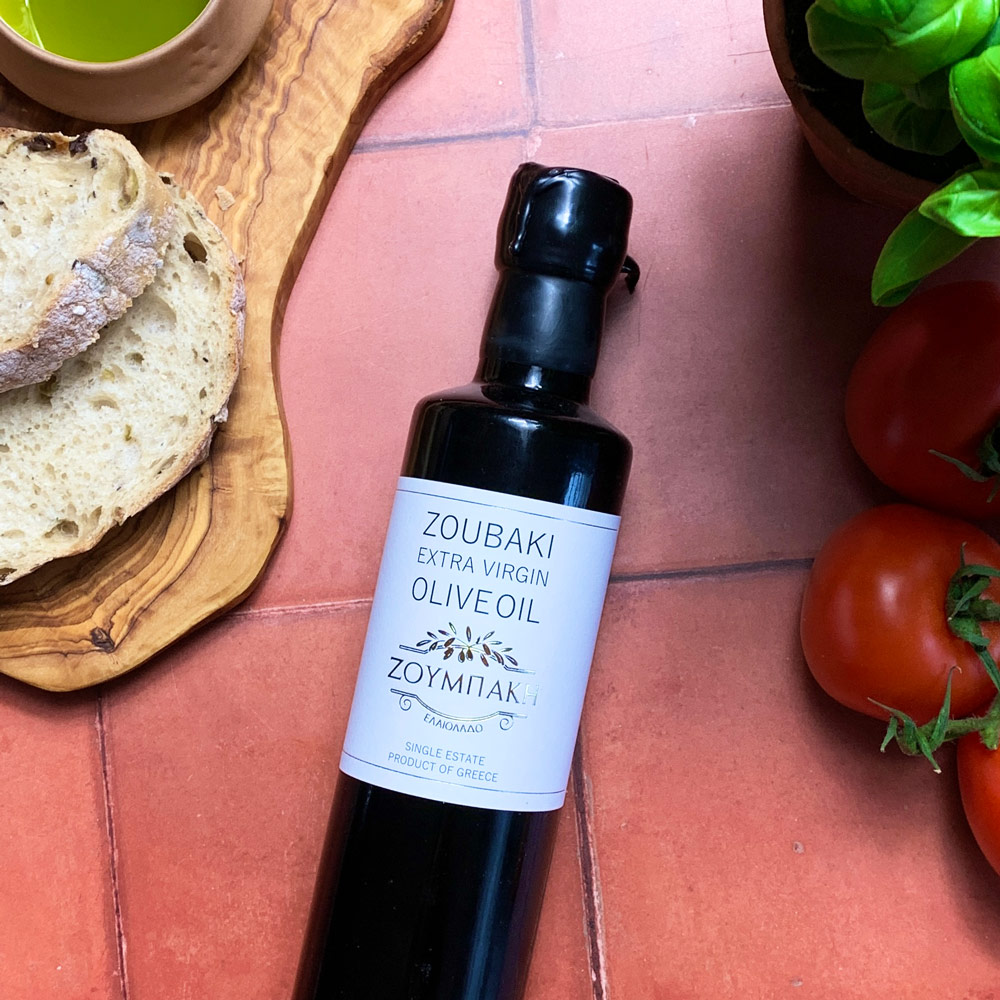
    We’re excited to bring you our very own Zoubaki Extra Virgin Olive Oil, made with love and tradition from our family’s olive groves. Experience the taste of authentic Greece in every drop!

    Your Health, the Greek Way! Embrace the nutritional benefits of Greek EVOO and support your well-being with this ancient superfood. Your body (and taste buds) will thank you!

  • The King of Greek Olives: Koroneiki

    The King of Greek Olives: Koroneiki

    Greece is home to some of the world’s finest olives, but one variety stands out as the true king of olive oil production—the Koroneiki olive. Known for its small size yet incredibly high yield of high-quality oil, this tiny but mighty olive has been cultivated in Greece for over 3,000 years.

    Growing primarily in the sun-drenched regions of the Peloponnese and Crete, Koroneiki olives thrive in Greece’s rocky soils and warm Mediterranean climate. Their resilience makes them one of the most reliable and consistent producers of extra virgin olive oil. Unlike larger table olives such as Kalamata, Koroneiki olives are rarely eaten whole. Instead, they are prized for their superior oil, which is rich in polyphenols—natural antioxidants that contribute to both its health benefits and distinctive taste.

    How Do Koroneiki Olives Differ from Other Olives?

    While there are hundreds of olive varieties grown across the Mediterranean, Koroneiki olives have some unique characteristics that set them apart:

    Small But Mighty – Unlike larger olives used for eating, Koroneiki olives are tiny, but they produce an exceptionally high oil content (up to 27% of their weight).

    Rich, Peppery Taste – The oil from Koroneiki olives has a bold, fruity flavor with a characteristic peppery finish, a sign of its high antioxidant levels. This makes it a favorite among chefs and food lovers who appreciate a robust, high-quality olive oil.

    High in Polyphenols – Compared to other varieties, Koroneiki olive oil is one of the richest in polyphenols, which are known for their anti-inflammatory and heart-protective properties. This is why it is often referred to as “the healthiest olive oil”.

    Longer Shelf Life – Thanks to its high antioxidant content, Koroneiki olive oil is more stable and lasts longer than many other types of extra virgin olive oil. This means it retains its freshness and health benefits for longer.

    Grown for Oil, Not Eating – Unlike Kalamata or Halkidiki olives, which are enjoyed as table olives, Koroneiki olives are rarely eaten whole. Their true value lies in the world-class olive oil they produce.

    Why Koroneiki Olive Oil is Special?

    If you’ve ever tasted high-quality Greek olive oil, chances are it was made from Koroneiki olives. The oil is smooth, well-balanced, and full of character, perfect for drizzling over fresh salads, dipping with bread, or enhancing Mediterranean dishes. Whether you’re looking for the health benefits of extra virgin olive oil or simply want a premium, authentic taste of Greece, Koroneiki olive oil is an essential addition to any kitchen.

    We are excited to bring our very own family-produced Zoubaki Extra Virgin Olive Oil to the UK. Harvested from our Koroneiki olive groves in Epitalio, it’s a true taste of Greek tradition—pure, unfiltered, and packed with goodness.

    If you haven’t tried our Zoubaki Extra Virgin Olive Oil yet, now is the time to experience Greece’s liquid gold for yourself!

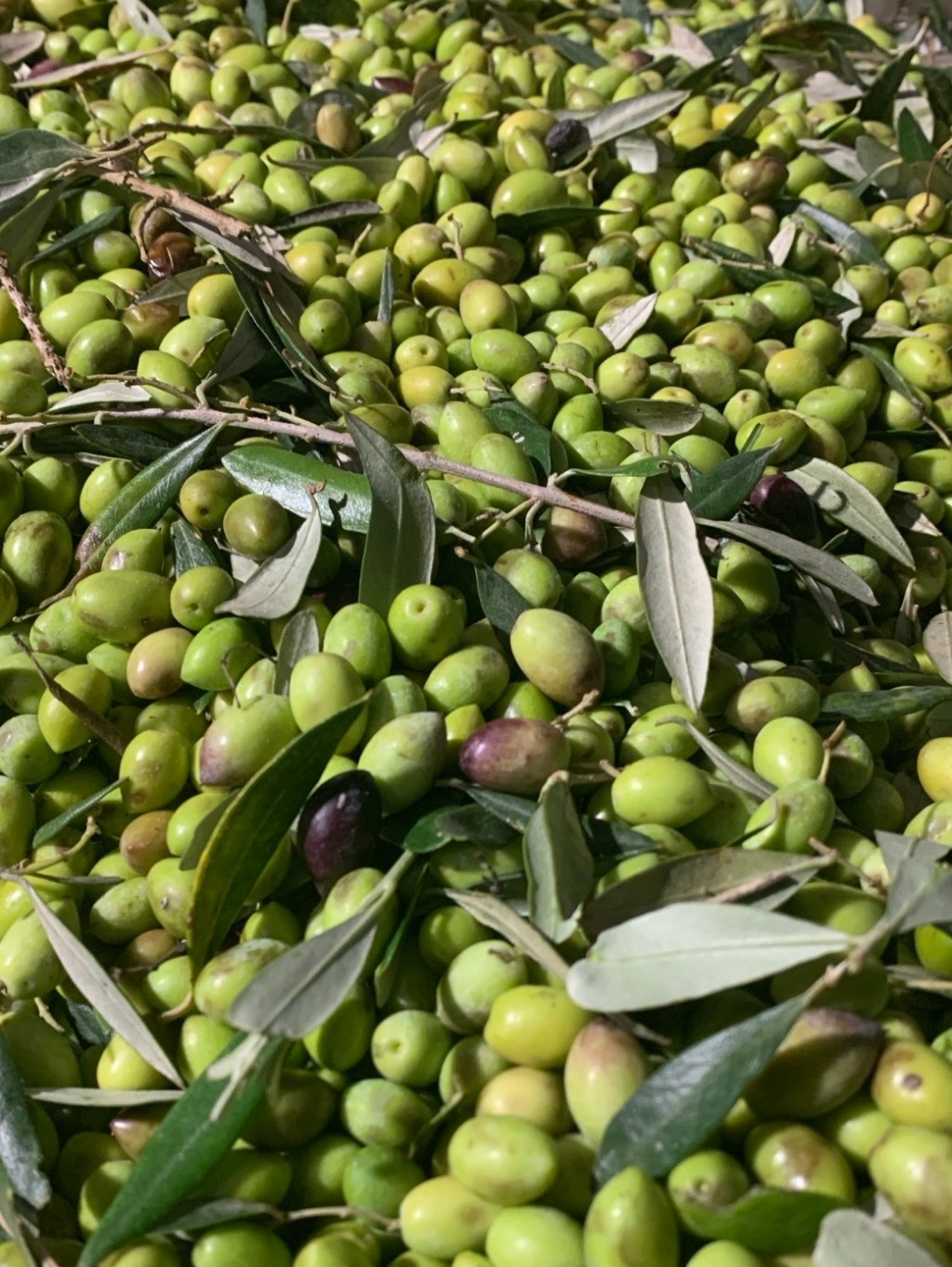
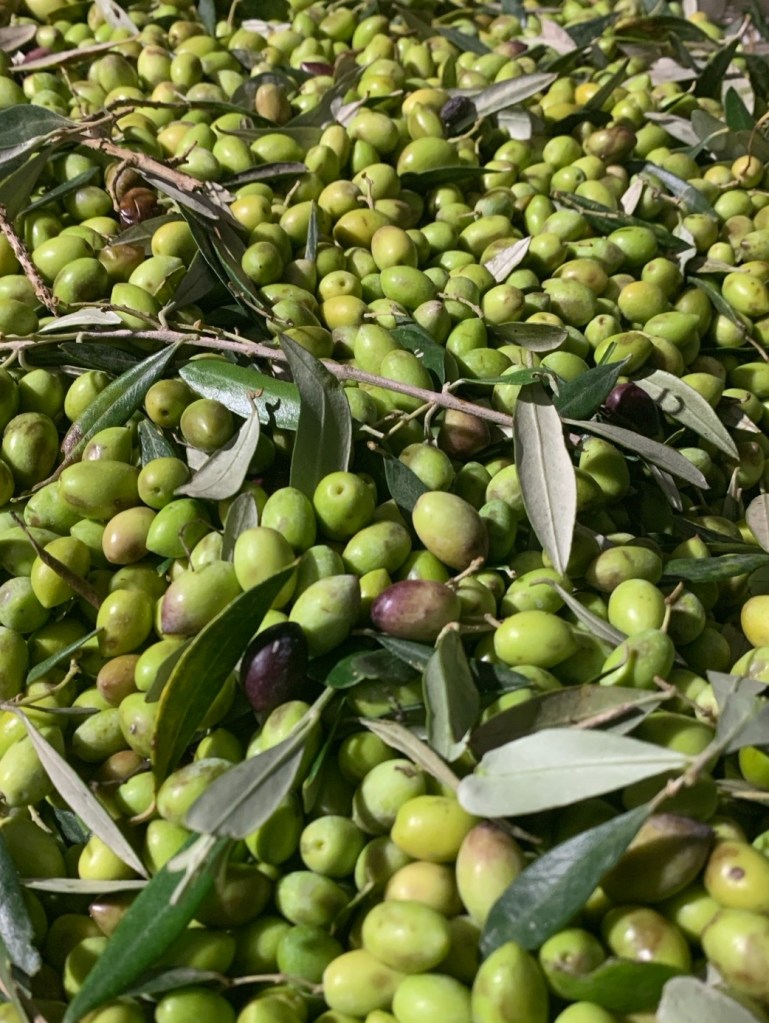
    Koroneiki Olives
  • The Greek Legend of the Olive Tree

    The Greek Legend of the Olive Tree

    Why Athens Was Named Athens: The Myth, the Olive Tree, and the Goddess Elais

    Athens, the heart of ancient Greece, is not just a city of philosophy, democracy, and art—it carries a name deeply rooted in mythology. The story of how Athens got its name is one of rivalry, wisdom, and the enduring significance of the olive tree.

    The Contest of Athena and Poseidon

    According to Greek mythology, the city was once nameless, and the gods Poseidon and Athena both wished to become its patron deity. To settle the dispute, Zeus declared that each god should offer a gift to the people, and the Athenians would choose the one most valuable.

    Poseidon, the mighty god of the sea, struck the ground with his trident, creating a saltwater spring (or, in some versions, a horse). While impressive, it wasn’t of much practical use to the people. Athena, the goddess of wisdom, planted an olive tree—an extraordinary gift that provided food, oil, wood, and shade. The Athenians, recognizing the olive tree’s immense value, declared Athena the victor, and the city was named Athens in her honor.

    The Significance of the Olive Tree

    The olive tree became a sacred symbol of Athena and a foundation of Athenian life. It represented:

    Peace and Prosperity – Olive oil was essential for cooking, medicine, and religious rituals.

    Economic Power – Athens flourished through the trade of its renowned olive oil.

    Strength and Longevity – Olive trees live for centuries, symbolizing resilience and endurance.

    Olive Branches in the Olympic Games

    The olive tree’s significance extended beyond Athens and played a key role in the ancient Olympic Games, first held in Olympia in 776 BCE. Victorious athletes were not awarded gold medals as they are today but were instead crowned with a kotinos—a wreath made from wild olive branches, cut from a sacred tree near the temple of Zeus. This symbolized honor, victory, and divine blessing, reinforcing the olive tree’s connection to strength and excellence in Greek culture.

    Who Was the Goddess Elais?

    Elais, whose name means “olive” in Greek, was one of the Oenotropae, three sisters gifted with the divine power to transform anything into wine, grain, or olive oil. She was associated with the abundance of olives and their connection to nourishment, mirroring the blessings Athena bestowed upon Athens. While not as widely known as Athena, Elais played a role in Greek mythology as a symbol of the gods’ generosity, ensuring the land thrived with sustenance.

    A Legacy That Endures

    The myth of Athens and the olive tree reminds us of the deep cultural and economic importance of this sacred plant in Greek life. From ancient times to today, Greek olive oil remains a prized commodity, carrying the legacy of Athena and the enduring power of the olive tree.

  • For the Love of Olive Oil

    For the Love of Olive Oil

    Growing up, olive oil wasn’t just a staple in our kitchen—it was a way of life. My family’s olive grove in the small Greek village of Epitalio, just a stone’s throw from Olympia, has been producing olive oil for generations. I can still remember the first time I dipped a piece of fresh bread into a small dish of our family’s olive oil. It had a rich, peppery taste that lingered, full of warmth and tradition. Back then, I didn’t realise how special it was. To me, it was just what we used—drizzled over salads, stirred into stews, or poured generously over grilled fish and vegetables.

    It wasn’t until I got older, living in the UK where I grew up, that I started to truly appreciate the depth of what we had. The more I learned about olive oil, the more I understood why my grandparents treated it like medicine. They always swore by its health benefits—using it to soothe sore throats and ears. Science has since proven what Greeks have known for centuries: high-quality extra virgin olive oil is packed with antioxidants and anti-inflammatory properties, supports heart health, and is a powerhouse of nutrition.

    Realising the goodness of our family’s olive oil, I felt a deep desire to share it with the world. This is more than just oil—it’s a piece of heritage, a tradition passed down through generations, and a connection to the land and people who nurture it. That’s why I’m bringing our very own Zoubaki Extra Virgin Olive Oil to the UK, straight from our family grove in Epitalio. It’s a taste of home, a taste of Greece, and a way to bring the purest, healthiest olive oil to those who truly appreciate quality and authenticity.

    For me, it’s not just about selling olive oil; it’s about sharing a story, a legacy, and a love for something that has been part of my life for as long as I can remember. I hope that when people taste it, they’ll experience a little bit of that Greek magic—the warmth of the sun, the richness of the soil, and the love that goes into every single drop.

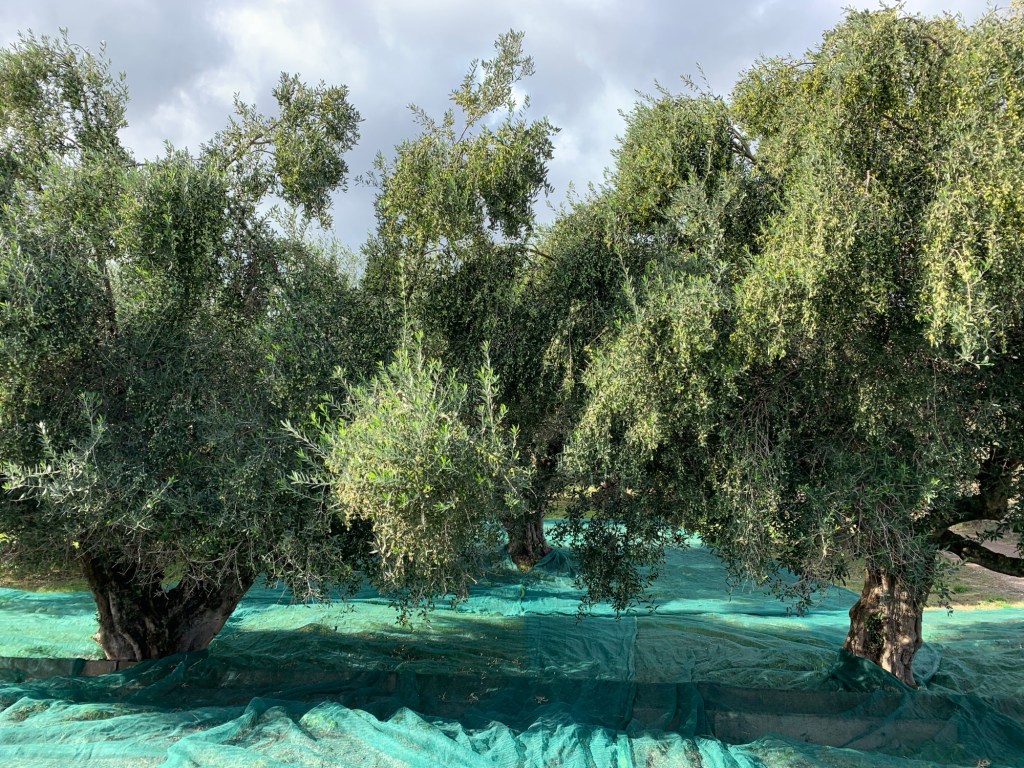
    Epitalio Olive Grove